Top Legal Turtle Breeds for Enthusiastic Keepers
- aquahariofficial
- Sep 15, 2025
- 4 min read
Turtles are fascinating creatures that have captured the hearts of many animal lovers. Their unique characteristics and gentle nature make them ideal pets for those who appreciate a slower-paced companion. If you are considering adding a turtle to your family, it is essential to know which breeds are legal to keep and suitable for your lifestyle. In this post, we will explore some of the top legal turtle breeds for enthusiastic keepers, providing you with valuable insights to help you make an informed decision.
Understanding Turtle Ownership
Before diving into specific breeds, it is crucial to understand the responsibilities that come with turtle ownership. Turtles require specific care, including proper habitat, diet, and health monitoring. They can live for several decades, so commitment is key.
Legal Considerations
Different regions have various laws regarding turtle ownership. Some species are protected due to declining populations, while others are legal to keep as pets. Always check your local regulations before acquiring a turtle.
Top Legal Turtle Breeds
Now that we have covered the basics, let’s look at some of the top legal turtle breeds that are popular among enthusiasts.
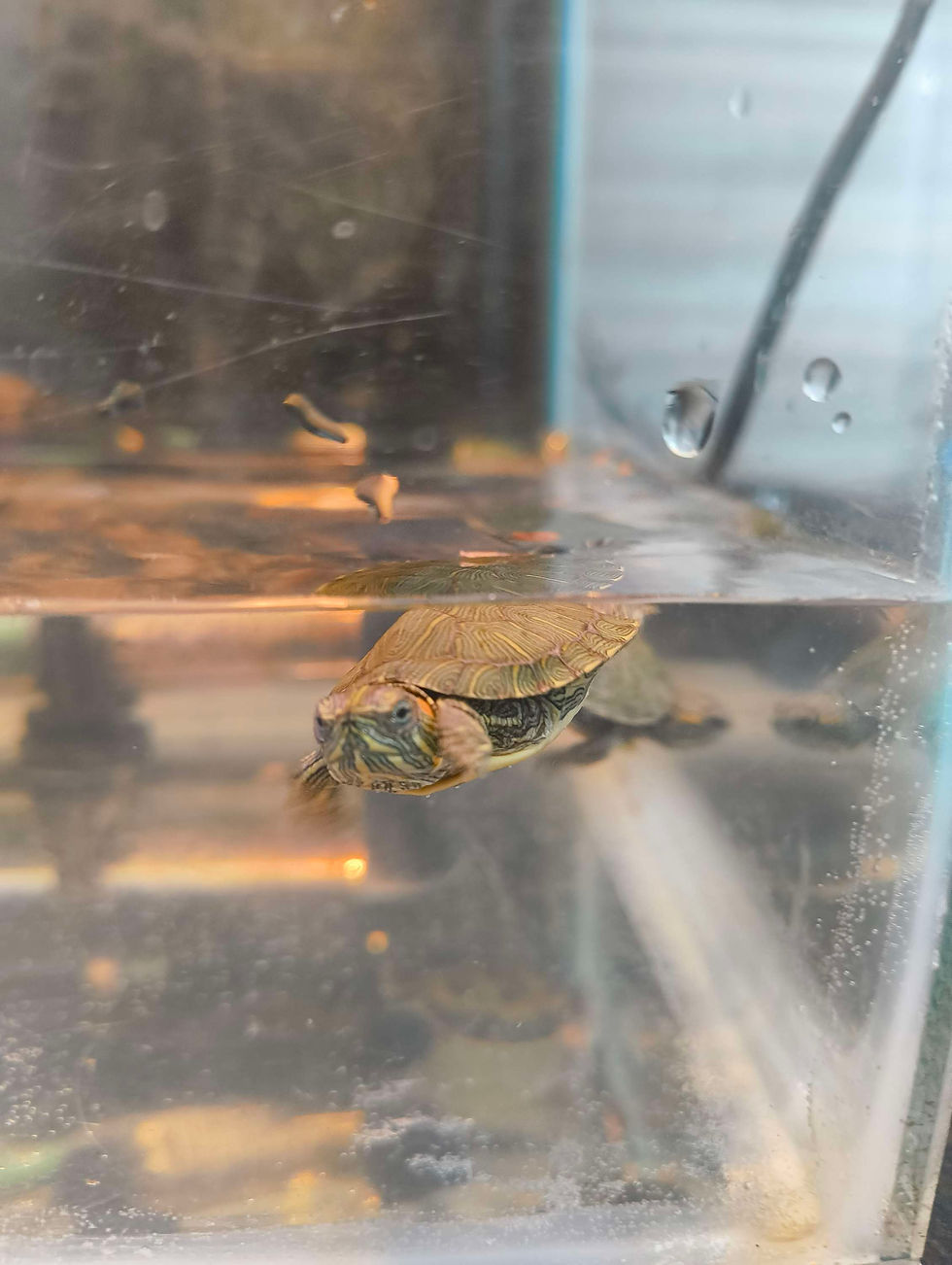
1. Red-Eared Slider
The Red-Eared Slider is one of the most common pet turtles. They are known for their vibrant colors and friendly demeanor.
Size: They can grow up to 12 inches in length.
Lifespan: With proper care, they can live for 20 years or more.
Habitat: They thrive in aquatic environments, so a spacious tank with clean water is essential.
These turtles are social and enjoy basking under a heat lamp. They are relatively easy to care for, making them a great choice for beginners.
2. Painted Turtle
The Painted Turtle is another popular choice among turtle enthusiasts. They are known for their beautiful shell patterns and vibrant colors.
Size: They typically reach about 4 to 10 inches in length.
Lifespan: They can live for 20 to 30 years.
Habitat: They prefer shallow waters with plenty of vegetation.
Painted Turtles are friendly and can be quite active. They enjoy swimming and basking, so providing a suitable environment is crucial.
3. Box Turtle
Box Turtles are unique because they can completely close their shells. This feature makes them different from many other turtle species.
Size: They usually grow to about 4 to 8 inches.
Lifespan: They can live for over 50 years with proper care.
Habitat: They thrive in terrestrial environments, requiring a dry area with access to water.
Box Turtles are known for their calm nature. They are great for those who prefer a land-dwelling turtle.
4. Eastern Snapping Turtle
The Eastern Snapping Turtle is a larger species known for its strong jaws and unique appearance.
Size: They can grow up to 18 inches or more.
Lifespan: They can live for 30 years or longer.
Habitat: They prefer freshwater environments like ponds and rivers.
While they can be more challenging to care for due to their size and dietary needs, they are fascinating creatures for experienced keepers.
5. African Sideneck Turtle
The African Sideneck Turtle is known for its unique neck that bends sideways. This breed is less common but makes for an interesting pet.
Size: They typically grow to about 8 to 12 inches.
Lifespan: They can live for 20 to 30 years.
Habitat: They thrive in aquatic environments with plenty of hiding spots.
These turtles are generally friendly and can adapt well to captivity, making them a great choice for dedicated keepers.
Caring for Your Turtle
Once you have chosen the right breed, it is essential to provide proper care. Here are some key points to consider:
Habitat Setup
Tank Size: Ensure the tank is large enough for your turtle to swim and bask comfortably.
Water Quality: Regularly change the water and use a filter to keep it clean.
Basking Area: Provide a warm spot for your turtle to bask under a heat lamp.
Diet
A balanced diet is crucial for your turtle's health. Most turtles enjoy a mix of:
Commercial Turtle Food: Pellets designed for turtles provide essential nutrients.
Fresh Vegetables: Leafy greens like kale and romaine are great options.
Protein Sources: Offer occasional treats like insects or fish.
Health Monitoring
Regular check-ups with a veterinarian who specializes in reptiles are essential. Watch for signs of illness, such as lethargy or changes in appetite.
Engaging with Your Turtle
Turtles may not be as interactive as dogs or cats, but they can still be engaging pets. Here are some ways to bond with your turtle:
Handling
Gentle Touch: Always handle your turtle gently to avoid stress.
Short Sessions: Keep handling sessions brief, especially at first.
Observation
Spend time watching your turtle in its habitat. You may notice unique behaviors that can be quite entertaining.
Enrichment
Provide toys or objects for your turtle to explore. This can help keep them mentally stimulated.
The Joy of Turtle Keeping
Owning a turtle can be a rewarding experience. Their unique personalities and tranquil nature can bring joy to your home.
Community and Resources
Joining a community of turtle enthusiasts can enhance your experience. Online forums and local clubs can provide valuable information and support.
Final Thoughts
Choosing the right turtle breed is an exciting journey. With the right knowledge and commitment, you can enjoy a fulfilling relationship with your new pet.
Whether you opt for a Red-Eared Slider, a Painted Turtle, or any other breed, remember that each turtle has its own needs and personality. Take the time to learn about your chosen breed and provide the best care possible.
By doing so, you will not only ensure a happy life for your turtle but also create a lasting bond that can bring joy for many years to come.



Comments